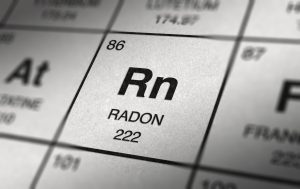
Radon is a naturally occurring radioactive gas that forms as uranium breaks down in soil and rock beneath the earth’s surface. Because it is colorless, odorless, and tasteless, radon can enter a home without any obvious signs. Understanding how radon enters a building is the first step toward protecting your home and your family.

Since radon cannot be detected without specialized equipment, professional testing is the only reliable way to determine whether elevated levels are present.

At Callaway & Associates, we provide professional radon testing throughout Central Illinois, helping homeowners and property owners make informed decisions through accurate testing and dependable results.


TL;DR: How Radon Enters a Home

Where Does Radon Come From?

Radon is produced naturally as uranium breaks down beneath the ground.

The gas moves upward through the soil and can eventually reach the surface. If a home is built above an area where radon is present, the gas may find pathways into the structure.

This natural process occurs throughout many regions of the country.

How Does Radon Get Inside?

Radon typically enters through openings where the home meets the ground.

Common entry points include foundation cracks, gaps around utility penetrations, expansion joints, crawl spaces, and other small openings that allow soil gases to move indoors.

Even small openings can allow radon to enter over time.

Can Any Home Have Radon?

Yes. Elevated radon levels can be found in both new and older homes.

Construction style, foundation type, and location all influence how radon moves into a building, but no home is automatically immune to elevated levels.

Every property should be evaluated individually through professional testing.

Why Doesn't Everyone Know They Have Radon?

Radon has no smell, color, or taste.

Unlike many other household issues, there are no visible warning signs that indicate elevated radon levels. Without testing, homeowners have no reliable way of knowing whether radon is present.

Testing provides the information needed to make informed decisions.

Why Is Professional Radon Testing Recommended?

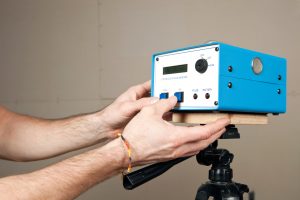
Professional radon testing follows established procedures using specialized equipment designed to produce accurate results.

Certified professionals understand proper testing protocols and can help ensure the testing process meets applicable industry standards.

Accurate testing provides confidence in the results.

Why Choose Callaway & Associates?

For more than 30 years, Callaway & Associates has provided professional radon testing and inspection services throughout Central Illinois. As an IEMA Licensed Radon Measurement Professional and NRPP Certified company, we are committed to delivering accurate testing, dependable service, and the information homeowners need to make informed decisions.

Whether you’re buying a home or simply want peace of mind, we’re here to help.

Radon Testing FAQs

Can radon enter homes built on concrete slabs?

Yes. Radon can enter through cracks, joints, and other openings in concrete slab foundations. Because every home is different, professional testing is the best way to determine whether radon is present.

Does sealing cracks eliminate radon?

Sealing foundation openings may reduce some entry points, but it is not considered a complete solution for elevated radon levels. Professional testing and, when necessary, mitigation are the most effective ways to address a radon concern.

Can neighboring homes have different radon levels?

Yes. Homes located next to each other can produce very different test results due to differences in construction, foundation design, ventilation, and soil conditions. This is why every home should be tested individually rather than relying on nearby properties.